

Ever held a piece of wood and *felt* its story? Not just seen it—*felt* it?
Why Reclaimed Wood Feels Like Home
Trees aren’t just timber.
Their rings whisper decades.
Knots guard secrets.
Cracks? Proof of survival.
I once spent three days sanding a barn beam—found a child’s carved name from 1912.
Symbolism of Trees: More Than Just Shade
Growth in rings. Resilience in grain.
They stand silent, scarred, still standing.
That’s the quiet strength we crave.
I keep that carved beam in my living room.
Touch it every morning.
It’s now part of my coffee ritual.
Silent Balance was born from those moments.
Real wood. Real stories. No greenwashing.
Check out our blog—*Silent Balance*—where the symbolism of trees meets everyday peace.
Quick Takeaways
- Verify sourcing certifications like FSC to ensure the wood is harvested sustainably and ethically.
- Research vendors’ transparency about their supply chain and provenance of reclaimed wood.
- Prioritize reclaimed wood from historic or well-documented sources that support ecosystem health.
- Choose artisans and sellers committed to responsible harvesting and community impact.
- Inspect wood for authentic signs of age, texture, and craftsmanship to confirm its genuine reclaimed nature.
How to Find Ethically Sourced Reclaimed Wood

Ever wonder how to find reclaimed wood that’s both eco-friendly and ethically sourced? It starts with knowing where the wood came from—look for places that prioritize historical preservation, saving old beams, floors, or barn wood, rather than cutting new trees.
Choose reclaimed wood from historic sources to honor sustainability and preserve timeless craftsmanship.
Artistic craftsmanship is key; seek artisans who respect the story behind each piece, highlighting its rich history.
Are you drawn to the symbolism of strength and renewal in tree elements? Using reclaimed wood with deep roots not only honors nature’s story but adds layers of spiritual meaning to your space.
Additionally, paying attention to sustainable sourcing practices ensures that your reclaimed wood supports environmental and ethical standards while enhancing your space.
To ensure the health of these treasured pieces, employing sensor technology can help monitor the condition and longevity of your reclaimed wood over time.
Think about how these elements connect you to the ancient, grounding power of trees—your personal sanctuary’s heart.
What Are the Best Types of Reclaimed Wood for Your Projects
Curious about which types of reclaimed wood bring the most character and depth to your projects? Think about woods with rich forest aesthetics and deep-rooted historical significance. Here are the best options:
- Reclaimed oak, known for its strength and timeless charm
- Weathered cedar, with its distinct bark and earthy scent
- Reclaimed pine, lightweight and full of warm, rustic personality
- Ancient teak, often with beautiful grain patterns and stories to tell
- Salvaged chestnut, prized for its unique textures and historic roots
Each type symbolizes growth, resilience, or renewal—perfect for creating meaningful, soulful spaces. Understanding the types of reclaimed wood can help you select materials that not only look beautiful but also carry a story. Recognizing the characteristics of each wood type, such as durability or grain patterns, ensures your project aligns with your aesthetic and functional intentions. Do these woods resonate with your personal forest of memories?
How to Verify the Provenance and Sustainability of Reclaimed Wood
When you’re on the hunt for reclaimed wood that’s truly authentic and eco-friendly, verifying its provenance and sustainability becomes your secret weapon.
Think of it as decoding the forest symbolism behind each piece—does it tell a story of healthy trees and responsible harvesting? Always ask for ethical certification, like FSC or local sustainability labels, to guarantee your wood comes from well-managed forests.
Decoding forest symbolism ensures your reclaimed wood tells a story of responsible harvesting and sustainability.
This not only honors the sacred roots of tree symbolism but keeps your conscience clear.
A genuine reclaimed wood source prioritizes long-term growth and responsible harvesting, ensuring that your purchase supports sustainable forest management.
Wouldn’t you want your home to reflect strength, growth, and renewal—like the very trees it echoes?
Trust these steps, and you’ll build a space filled with purpose and rooted in integrity.
Recognizing Quality and Condition in Reclaimed Wood Pieces
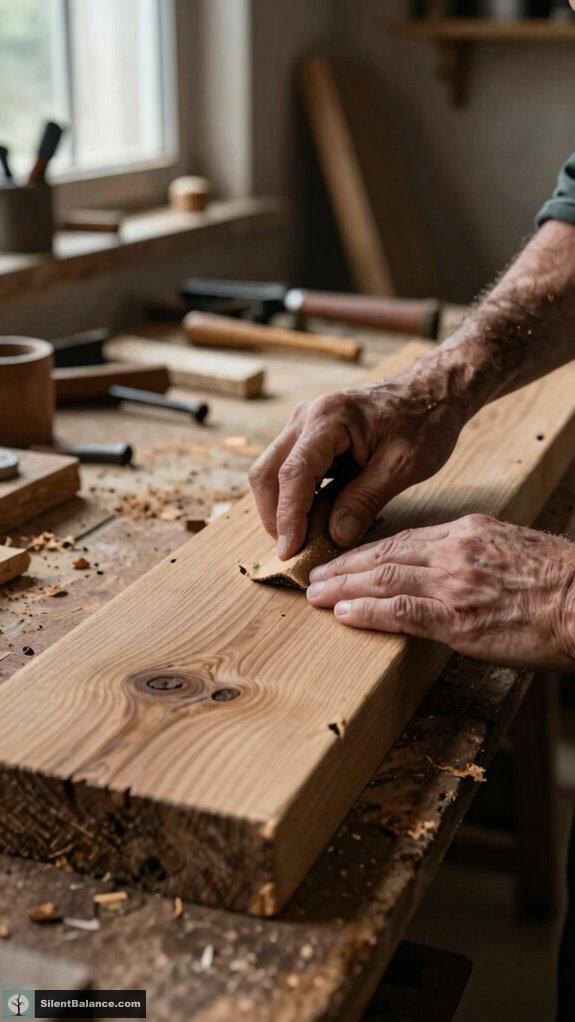
Spotting quality reclaimed wood isn’t just about checking for cracks or warping—it’s about understanding the story each piece tells.
You want to pay attention to the timber grain, which reveals the tree’s history and growth patterns. Look for surface imperfections, like knots or slight scars, as they add character and authenticity.
Consider these aspects:
- The tightness and consistency of the timber grain
- The presence of natural splits or checks
- The overall smoothness versus rugged texture
- Signs of past insect activity or rot
- The warm, rich color tone that shows age and significance
Ask yourself: does this piece feel alive? Does it carry the spirit of the tree? Assessing the authenticity can help ensure you’re choosing truly meaningful reclaimed wood. Recognizing timber grain patterns and understanding their significance can further aid in selecting wood with authentic character.
Where to Buy Reclaimed Wood From Trusted, Ethical Traders
If you’re serious about finding reclaimed wood that’s both beautiful and ethically sourced, you’ll want to steer clear of sketchy suppliers peddling old crates or questionable wood origins. Instead, look for traders with solid ethical certifications, like FSC or LEED.
Ask about the wood’s origin—the best pieces come from responsibly managed forests or renovation projects with a clear, transparent story. Why settle for anything less? Ensuring that the wood’s origin is verified can help you support transparent sourcing practices that benefit both the environment and local communities.
Using wood with meaningful roots not only honors the tree’s life cycle but deepens your connection to nature’s symbolism—growth, resilience, renewal. Additionally, choosing biodegradable bandages made from reclaimed wood can support sustainable practices and reduce waste.
Isn’t your sacred space worth sourcing with intention instead of impulse?
Tips for Caring for and Maintaining Your Reclaimed Wood Items
Taking good care of your reclaimed wood items isn’t just about keeping them looking beautiful—it’s about honoring the tree’s story and its symbolism of resilience, growth, and renewal.
To do that, consider these tips:
- Practice seasonal wood care, adjusting your approach with the changing weather
- Use humidity control to prevent cracking or warping
- Regularly dust with a soft cloth, avoiding harsh chemicals
- Apply natural oils or waxes to nourish the wood’s armor
- Keep away from direct sunlight to preserve the deep, earthy tones
Reclaimed wood’s unique character also benefits from proper maintenance to enhance its natural beauty and longevity.
Ever wonder how these small touches keep your decor alive? It’s all about honoring the tree’s lasting legacy.
Understanding the Environmental and Social Impact of Reclaimed Wood
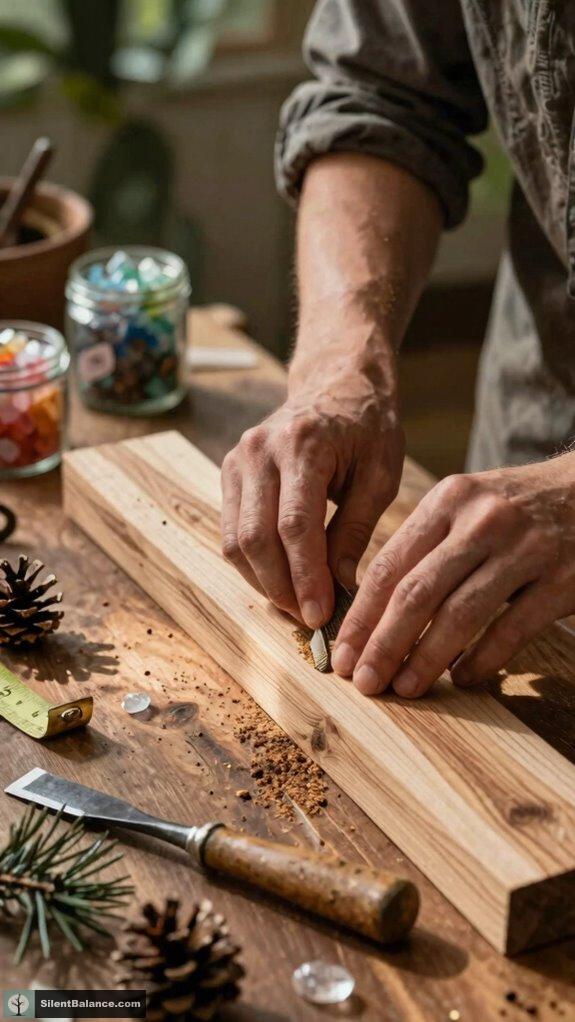
Understanding the environmental and social impact of reclaimed wood isn’t just a trendy talk topic — it’s a powerful way to connect your home’s beauty with bigger, meaningful stories. When you choose reclaimed wood, you support urban forestry efforts by giving new life to old, discarded trees, helping to reduce deforestation’s toll. Plus, this practice boosts carbon sequestration, locking away CO₂ that would otherwise pollute our planet. Isn’t it satisfying to know your decor helps fight climate change while celebrating tree symbolism? Use textures like bark and branches to honor growth, strength, and renewal. Incorporating energy blending, such as combining crystals with raw wood, can further enhance the natural, restorative qualities of your space.
Twisted Branches Evoke Shadow Work
Twisted branches might look wild and tangled, but they actually hold powerful symbolism for shadow work — the process of diving deep into your subconscious to confront fears, doubts, and hidden truths. Their shadow symbolism invites you to explore your darker side, embracing imperfections and branch asymmetry that reflect life’s unpredictable nature.
- They remind you that chaos is part of growth
- Their uneven shapes symbolize embracing imperfection
- They mirror the complexity of your inner realm
- They challenge your need for order and control
- Their tangled form encourages inner reflection
- At the same time, they echo the symbolism of evergreen trees representing hope, renewal, and life amidst winter darkness.
- The natural irregularity of their form emphasizes the beauty found in imperfection and the acceptance of life’s inherent chaos.
Reclaimed Wood From Ancient Forests
Have you ever wondered where that gorgeous reclaimed wood in your home really comes from? Often, it’s sourced from ancient ecosystems, where long-standing forests thrived for centuries.
By choosing this kind of wood, you help preserve forest resilience—saving trees that played essential roles in their ecosystems. The history embedded in reclaimed wood can also serve as a reminder of nature’s symbolism of ashoka tree in buddhism, representing strength, protection, and renewal.
Selecting reclaimed wood preserves ecosystems and honors ancient trees’ enduring strength and wisdom.
It’s like giving new life to history’s silent witnesses. Envision the stories embedded in each knot and grain—symbols of strength, renewal, and protection.
Using reclaimed wood from ancient forests isn’t just about aesthetics; it’s about honoring the deep-rooted wisdom of trees and transforming that resilience into your daily rituals.
Choosing reclaimed wood supports forest conservation efforts, ensuring these vital ecosystems can continue to thrive for future generations.
Isn’t it kind of beautiful to carry nature’s old soul inside?
Handcrafted Reclaimed Wood Accents
When you start noticing handcrafted reclaimed wood accents in homes, you’re not just seeing pretty decor—you’re witnessing the art of transforming nature’s old stories into meaningful symbols. These pieces, with their rich cultural symbolism and artistic craftsmanship, bring warmth and depth to your space.
- Unique grain patterns that tell ancient stories
- Carvings echoing ancestral symbols
- Distressed textures that invite tactile connection
- Natural bark edges for organic elegance
- Hand-finished surfaces with reverence for the material
- The growth process of reclaimed wood highlights its history and resilience, adding another layer of significance to these artisanal pieces.
Why settle for mass-produced when you can embrace the soulful history of reclaimed wood? Isn’t that what true authenticity feels like?
FAQ
How Can I Ensure Reclaimed Wood Is Truly Ethically Sourced?
You guarantee reclaimed wood is ethically sourced by verifying certifications, asking for transparency in its origin, researching suppliers’ sustainability practices, and choosing local, responsible sources. Attune yourself to the story behind your decorative furniture and DIY projects.
Are There Specific Certifications That Verify Reclaimed Wood’s Sustainability?
You should look for sustainable certifications and eco labeling standards, like FSC and PEFC, which verify reclaimed wood’s sustainability. Trust these seals, as they guarantee your rituals honor the Earth’s precious resources and deepen your connection.
What Are Common Signs of Fake or Misleading Reclaimed Wood Claims?
You can spot fake reclaimed wood by checking for vintage authenticity and avoiding misleading labels. Trust suppliers with transparent histories, clear provenance, and confirmed certifications, ensuring you’re truly honoring the natural, aged beauty without falling for deceptive marketing.
How Does Reclaimed Wood Impact Local Communities and Ecosystems?
Your choice of reclaimed wood directly benefits local communities by supporting sustainable practices and preserving craftsmanship, fostering community impact. It also boosts ecosystem benefits by reducing deforestation and waste, creating a more harmonious, conscious environment for everyone involved.
Can Reclaimed Wood Be Ethically Harvested From Historical or Sacred Sites?
You can ethically harvest reclaimed wood from historical or sacred sites by respecting preservation efforts and adhering to sacred site regulations, ensuring your connection remains respectful and meaningful, honoring the site’s integrity and cultural significance in your daily rituals.

- 11 Best Luxury Sandalwood Candles for 2026 - June 19, 2026
- 11 Best Woven Wicker Gift Baskets for 2026 - June 19, 2026
- 11 Best High Powered Binoculars for 2026 - June 19, 2026
