
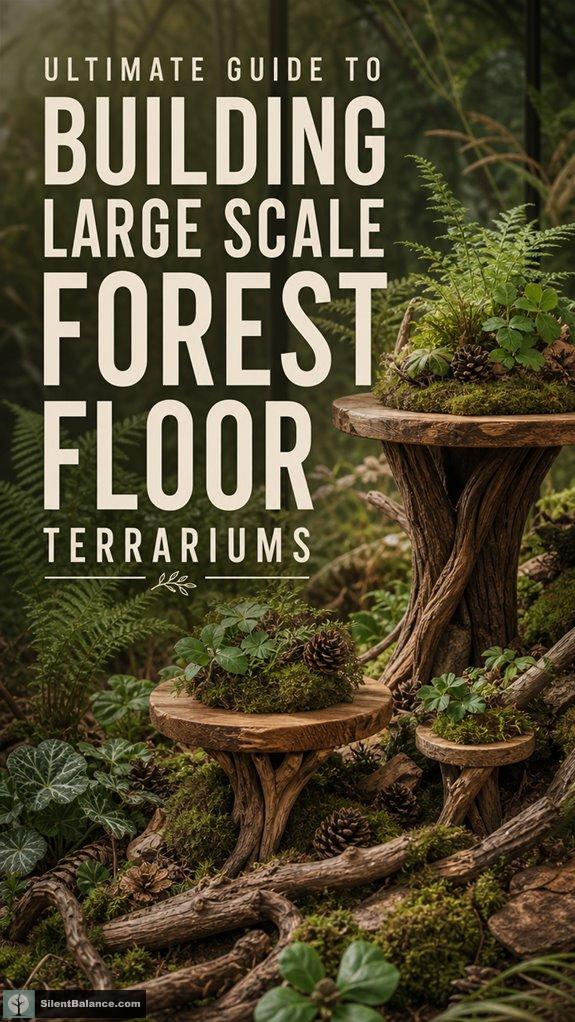
How do you turn a lifeless room into a whispering jungle sanctuary?
With layered substrates, microclimate wisdom, and living design that breathes.
The Living Room That Grew a Soul
I once built a terrarium in a cracked basement studio—no light, zero hope. Six months later, a wild *Pellaea* unfurled under LED dapples. My dog, skeptically sniffing moss for years, now naps beside it daily. That’s the *symbolism of trees* in action—small resilience, big quiet wins. You’re not just stacking soil; you’re farming calm. We’ve shared every hack at Silent Balance, where ecosystems meet quiet rebellion.
A Moment That Took Root
When the Fern Said “Enough”
It was 3 a.m. Paperwork everywhere. I hadn’t slept in days. Then—a tiny fern in my first terrarium tilted toward the moonlit glass. Not by chance. It sought light. Like me. That night, I rebuilt not just the setup—but my balance. Nature doesn’t shout. It leans. And sometimes, it saves you.
Quick Takeaways
- Plan microclimates and space layout to support diverse plant and animal interactions for a balanced ecosystem.
- Use layered substrates like soil, orchid bark, sphagnum moss, and drainage materials to promote healthy root systems.
- Incorporate natural elements such as driftwood, rocks, and organic materials to enhance realism and biodiversity.
- Integrate smart climate sensors and automatic misting systems for precise humidity and temperature control.
- Regularly maintain soil health, monitor environmental conditions, and evolve the design for sustainable ecosystem growth.
Understanding Your Forest Floor Ecosystem and Space Needs
Before you immerse yourself in building your forest floor terrarium, it’s essential to understand the space you have and the tiny rainforest that will thrive within it.
Understanding your space and tiny rainforest sets the foundation for a thriving, harmonious terrarium.
Microclimate patterns, like humidity and temperature fluctuations, directly influence ecosystem diversity. Consider how different plants and moss types will interact and what tiny creatures will inhabit your setup.
Are you aiming for a lush, varied environment or a more uniform one? Think of your decor as a symbolic microcosm—twigs, bark, and pinecones representing growth, strength, and renewal.
Mastering these details helps create a balanced, thriving environment, turning your space into a miniature rainforest with true natural harmony. Additionally, incorporating wooden elements can add both aesthetic appeal and functional support for various plants and creatures.
Choosing Plants and Materials for a Lived-In, Natural Look
Choosing the right plants and materials brings your forest floor to life with that lived-in, natural vibe you’re after. Think about plant placement—grouping mosses, ferns, and tiny woodland plants in clusters creates a comfortable, layered look that mimics nature’s chaos.
Material textures matter too—smooth river stones contrast with rough bark bits, while soft moss covers bare spots, adding depth and realism.
Want your setup to truly tell a story? Incorporate symbolic elements like driftwood for resilience or pinecones for renewal. These natural accents not only enhance the aesthetic but deepen your connection to the roots of our planet, making your terrarium a living, breathing masterpiece.
Designing a Functional, Biodiverse Layout
Creating a biodiverse layout in your forest floor terrarium is like designing your own tiny rainforest full of life and stories. By mixing microclimate variations—warm, humid spots with cooler, shaded areas—you boost biodiversity enhancement. Incorporating muscle movement, such as positioning elements to complement natural growth patterns, helps make the design feel more dynamic and lifelike.
Want a thriving ecosystem? Consider layering different textures and sizes: moss, ferns, small trees, and fallen branches. Why not incorporate symbolic wood elements? They evoke growth, stability, and renewal.
Think pinecones for protection or driftwood guiding natural flow. These elements aren’t just decor—they’re tiny storytelling pieces that add depth and personality.
Ready to craft a living masterpiece that breathes magic and resilience into your space? Let your creativity and nature intertwine!
Incorporating Hidden Smart Tech for Climate and Care Control
Bringing some smart tech into your forest floor terrarium isn’t just about impressing friends—it’s like giving your tiny ecosystem a brain. Climate sensors can monitor humidity levels in real-time, ensuring your forest stays just-right, avoiding that swampy or arid disaster.
Smart humidity controls adjust misting systems automatically, so you won’t forget or overdo it. Think of it as giving your plants protection, much like a sturdy bark shields a tree.
Plus, these hidden gadgets keep your care effortless, letting you focus on the beauty and symbolism—like pinecones for renewal or sturdy branches for resilience.
Isn’t that what makes a truly vibrant, balanced ecosystem?
Step-by-Step Guide to Building Your Forest Floor Terrarium
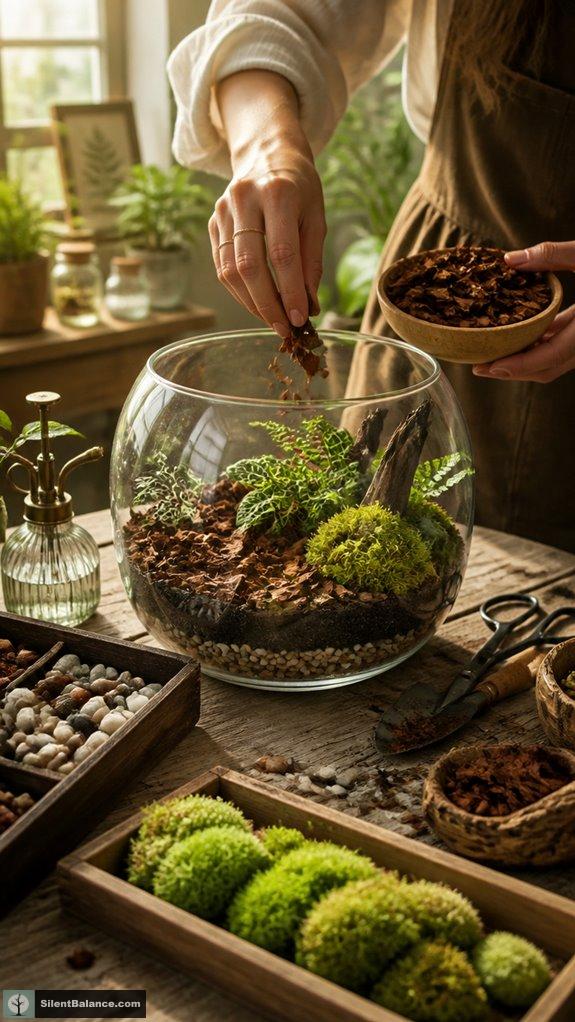
Building your forest floor terrarium might feel like a creative adventure, but it’s also a rewarding project that mixes art, science, and a touch of magic. To start, prepare your container with proper drainage—rocks or LECA are perfect.
Then, focus on soil sterilization to eliminate harmful bacteria, keeping your microfauna balanced. Layer your substrate mix, adding orchid bark, sphagnum moss, and charcoal. Incorporate symbolic elements like driftwood or twigs to represent growth and resilience. Proper soil health is essential for a thriving ecosystem, and maintaining flexibility in your design encourages natural development.
Do you want a lush, lively ecosystem? Keep in mind, each piece in your decor adds meaning, helping your mini forest thrive with intention and a little natural wall insulation with raw bark sheets.
Caring for and Evolving Your Micro-Ecosystem Over Time
Once you’ve got your forest floor terrarium set up, the real fun begins—caring for and watching your tiny ecosystem evolve, like a microcosm of nature itself. You’ll notice microbial diversity growing, which is essential for nutrient cycling. These microscopic creatures break down organic material, releasing crucial nutrients for your plants.
Ever wonder how a forest keeps itself healthy? Nature’s cycle in action! Regularly monitor moisture, encourage tiny soil critters, and add fresh organic matter. Think of it as nurturing a living artwork—every twig, moss patch, and bark piece symbolizes growth, protection, and renewal. Incorporating petrified wood for ritual use can also add a magical touch and provide additional habitats for beneficial microfauna. Wouldn’t you agree? That’s the magic behind creating a truly resilient, balanced ecosystem.
Tree Symbolism
Trees have long been more than just pretty shapes in our terrains—they carry powerful symbolism that can transform your terrarium into a meaningful masterpiece. Think about how different trees stand for growth, strength, or renewal across cultures.
Trees symbolize growth and renewal, transforming your terrarium into a meaningful, story-filled miniature landscape.
- Symbolic significance: Incorporate branches or twigs that represent resilience or new beginnings. Acknowledging the enduring strength of trees can deepen the sense of stability in your miniature landscape.
- Cultural interpretations: Use pinecones to symbolize fertility or protection in various traditions.
- Personal meaning: Add elements like bark or roots that echo your journey or beliefs.
- The Tree of Life also emphasizes the importance of spiritual growth and interconnectedness, making it a profound addition to your miniature landscape.
Why not turn your forest floor into a tiny sanctuary of symbolism? Nature’s stories are waiting to be told through your tree choices!
Handcrafted Wooden Plant Stands
When you’re looking to elevate your plant display from simple to stunning, handcrafted wooden plant stands might just be your secret weapon. They create eye-catching container aesthetics that beautifully complement moss cultivation and woodland plants.
Visualize sturdy but elegant wood pieces, each telling a story—just like trees symbolize growth and resilience. Why settle for boring stands when you can add a rustic charm that whispers of ancient forests?
These stands aren’t just support—they’re a symbol of strength and renewal. Incorporating organic wooden slab display shelves can also enhance the natural beauty of your arrangement, tying the entire ecosystem together seamlessly.
Plus, mixing natural textures with modern design can spark a deeper connection to your forest floor ecosystem.
Ready to turn your terrarium into a living sculpture?
Wildcrafted Wooden Plant Stands
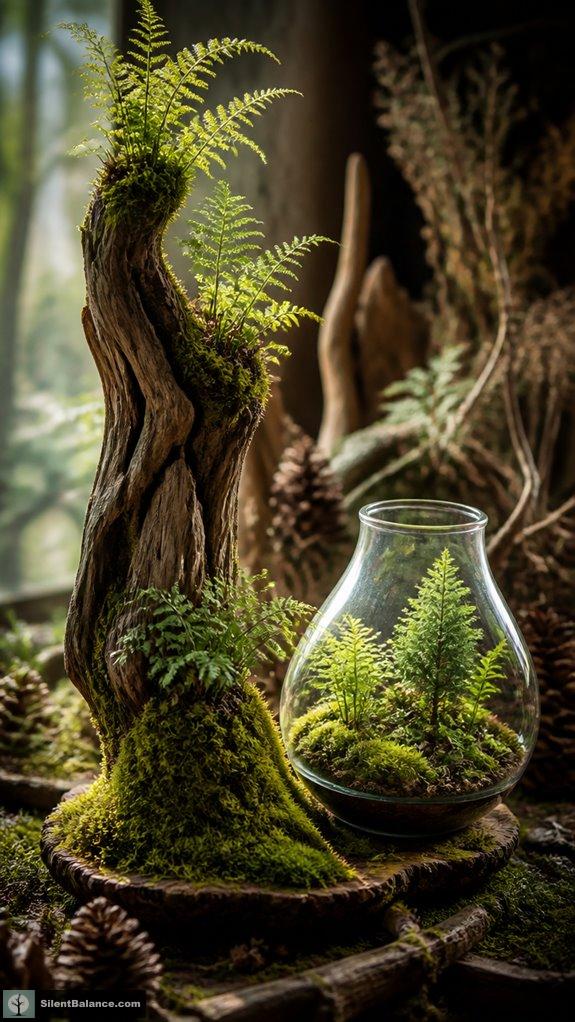
If you’ve ever wondered how to bring a bit of wild forest magic into your home, wildcrafted wooden plant stands are an absolute game-changer. They add natural aesthetics that instantly elevate your terrarium’s vibe.
Crafted from wildcrafted wood, each stand is a unique piece of forest history, symbolizing growth and resilience. Want to create a zen-like sanctuary? Incorporate twigs, bark, or pinecones for added symbolism—protection, renewal, and strength.
- Embrace the rustic charm of organic forks and branches
- Use natural, weathered textures for depth
- Integrate tree symbolism for added spiritual meaning
Ready to turn your space into a living forest?
FAQ
How Do I Prevent Mold and Pests in Large Terrariums?
You prevent mold and pests by practicing moss control and pest management consistently. Guarantee proper drainage, maintain humidity levels, clean equipment regularly, and monitor plants for signs of infestation, promoting a healthy, balanced ecosystem in your large terrarium.
What Are the Best Lighting Options for Large-Scale Forest Terrariums?
You should use LED grow lights for consistent, controllable lighting, and position them to mimic natural sunlight, ensuring your large forest terrarium receives the proper spectrum and intensity for healthy plant growth and ecosystem balance.
How Often Should I Water and Mist My Ecosystem?
You should follow a consistent watering schedule, moistening the soil without saturation, and mist frequently—about daily or as needed—to maintain humidity, ensuring your ecosystem stays healthy and thriving without encouraging mold or bacterial growth.
Can I Incorporate Animals or Insects Into My Forest Floor Setup?
Yes, you can incorporate insects and animals into your forest floor setup by selecting insect choices suited for high-humidity environments and ensuring animal integration is carefully planned to balance ecosystem health, avoiding overpopulation and maintaining ecosystem stability.
What Maintenance Steps Ensure Long-Term Ecosystem Health?
You guarantee long-term health by regularly aerating the soil gently, preventing compaction, and supplementing nutrients with organic fertilizers. Maintain consistent humidity, monitor plant health, and adjust watering to sustain the ecosystem’s balance and energy.
Summary
Creating your forest floor terrarium isn’t just about plants; it’s about storytelling, symbolism, and connection with nature. Why not use woody accents like twisted branches or pinecones to symbolize growth and resilience? These natural elements add beauty and depth, inviting reflection on strength and renewal. So, are you ready to craft a mini wilderness that breathes life, sparks joy, and whispers stories of ancient forests? Immerse yourself, get creative, and let your green masterpiece flourish!
References
- https://ome.design/blogs/guides/a-beginners-guide-to-terrariums
- https://blueridgediscoverycenter.org/blueridgediscoverycenterblog/2023/11/14/containing-wonder-creating-terrariums
- https://www.dnr.state.mn.us/education/teachers/activities/creating-terrarium.html
- https://www.youtube.com/watch?v=BL28g29aaqM
- https://www.youtube.com/watch?v=P4o43ehxyhI
- https://outdooradventures.wp.tulane.edu/2020/04/18/bring-the-great-outdoors-inside-native-terrarium-diy/
- https://www.midwesternjungle.com/blog/diy-making-a-terrarium
- https://gonursery.com/videos/building-a-terrarium-from-start-to-finish/
- https://www.youtube.com/watch?v=MGMisAXgWwE

- 11 Best Luxury Sandalwood Candles for 2026 - June 19, 2026
- 11 Best Woven Wicker Gift Baskets for 2026 - June 19, 2026
- 11 Best High Powered Binoculars for 2026 - June 19, 2026
