
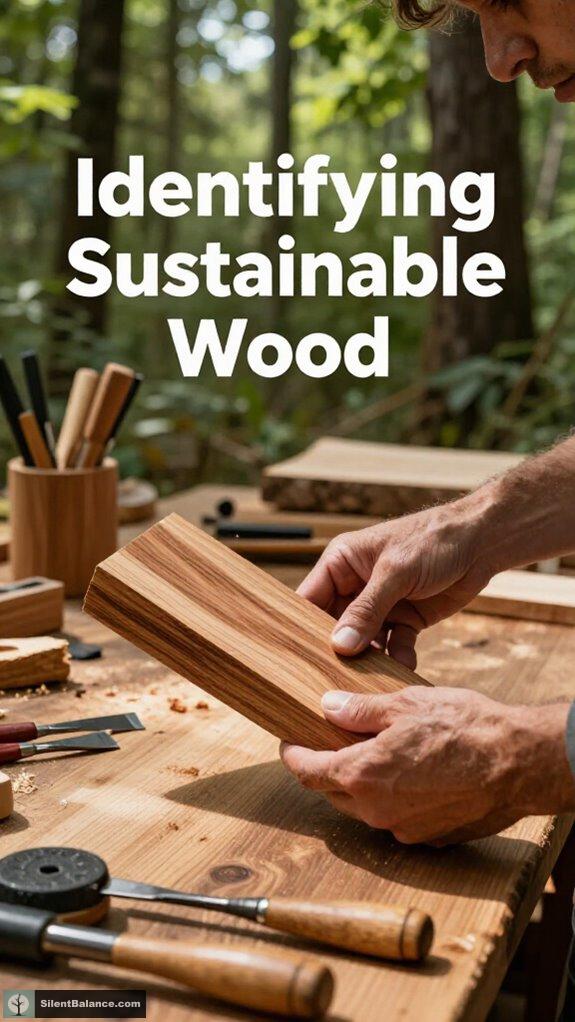
Ever held a piece of wood and *felt* its story? Not just seen it.
That moment hit me at dawn in Oregon.
My hands trembled carving a yew wand. Not from cold. From respect.
The tree was already down—a lightning strike. No life wasted.
I’d sourced it through a forester who tracks every log. FSC-certified. Ethically felled.
He said, “The forest breathes. We just listen.”
That’s when I *got* it: sustainability isn’t paperwork. It’s presence.
The Symbolism of Trees Runs Deeper Than Roots
Each ring? A season lived.
Each knot? A storm survived.
That wand? Now holds both.
I wrote about it on *Silent Balance*. Not just how to choose wood—but how to *ask permission*, even if silently.
You don’t need ancient groves.
You need intention.
Once, I bought a cheap altar bowl. No source listed. Pretty grain. Felt… empty.
Tossed it within weeks. Not because it broke.
Because it had no story. No soul.
Compare that to the juniper flute a Navajo artisan gifted me—harvested under a full moon, song sung. Still plays clear. Still *leans into* ceremony.
That’s the difference: sacred tools aren’t made.
They’re *witnessed* into being.
Quick Takeaways
- Look for trusted certifications like FSC or PEFC on packaging to verify responsible forest management.
- Examine the wood’s physical cues, such as healthy growth rings and textured bark, indicating responsible harvesting.
- Ask suppliers about sourcing practices, including whether the wood comes from local, ancient, or sacred groves.
- Verify traceability through documentation or certifications to ensure transparency and eco-friendly origins.
- Recognize aesthetic signs like consistent grain and natural hues that reflect sustainable, environmentally conscious harvesting.
What Does Truly Sustainable Harvested Wood Mean?

Have you ever wondered what truly sustainable harvested wood actually means? It’s more than just looking good or feeling legit. It’s about making sure that every piece supports healthy forests and doesn’t harm the planet.
Think about eco-friendly adhesives—those help glue things together without toxins, protecting both trees and your indoor air. And, if you choose local artisan sourcing, you get craftsmanship rooted in community, helping forests stay thriving and vibrant.
It’s like giving your decor a green thumbs-up, one bark, twig, or pinecone at a time. When selecting wood, ask yourself: am I honoring the sacred symbolism of growth, renewal, and protection embedded in every tree?
How to Recognize Certified Sustainable Wood in Your Purchases
Looking to add meaning and authenticity to your home with wood that truly respects the planet? You can spot certified sustainable wood by checking for clear labels or certificates from trusted organizations. Look for tags indicating FSC or PEFC certification—these guarantee the wood comes from responsibly managed forests. Check if the packaging highlights eco friendly packaging and ethical labor practices, showing it’s made with care for people and nature. Do you feel good knowing your sacred tools support forest conservation and fair workers? Choosing certified wood isn’t just about style; it’s about honoring tree symbolism and nurturing the earth’s sacred roots. Sustainable forestry practices ensure that the harvesting of wood maintains the health of forests for generations to come, aligning with the reliable certification systems that verify responsible management.
What Signs Show Responsible Harvesting Practices?
When you’re hunting for responsibly harvested wood, signs are everywhere—you just need to know what to look for.
First, check the tree’s growth patterns—healthy, sustainable trees show even, consistent rings. Be wary of irregular or compressed rings, which hint at poor harvesting.
Healthy trees have even, consistent rings—irregular or compressed rings warn of poor harvesting.
Look at the root complexity—complex, interconnected roots suggest a mature tree that’s been harvested responsibly, respecting its natural growth cycle.
Ever wonder if a tree’s story is etched in its bark? It is. Smooth bark indicates quick, possibly harmful removal, while textured, rugged bark signals age and careful pruning.
Additionally, examining the growth ring patterns can reveal whether the wood was taken from a responsibly managed forest, ensuring minimal ecological impact.
Choosing wood with these signs keeps your sacred tools rooted in true respect for nature’s cycle.
How to Spot Authentic Responsible Sourcing Through Visual Cues
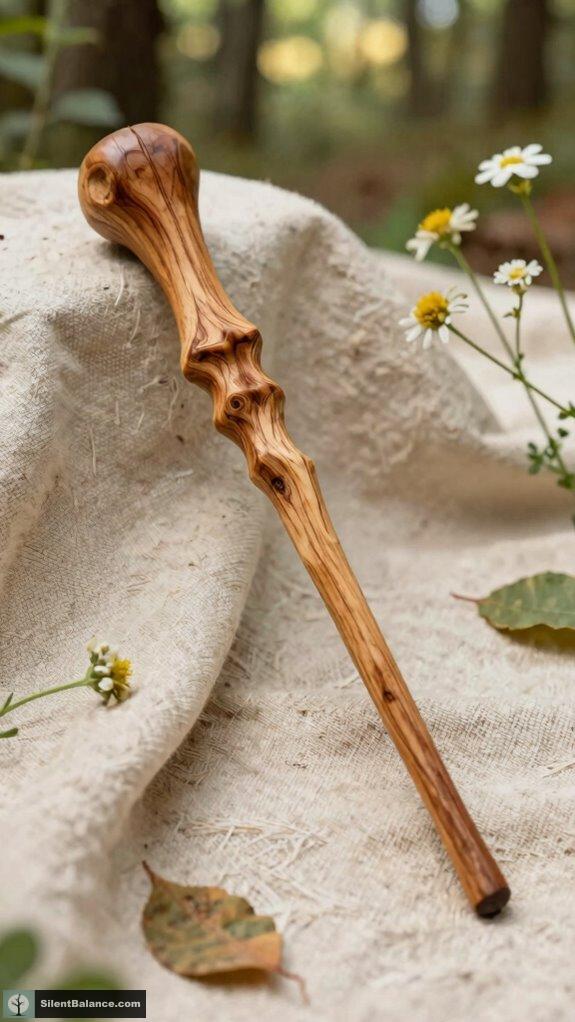
If you want to truly trust the story behind your wood, you’ve got to learn how to spot the visual cues of responsible sourcing.
Look for signs like rich, consistent grain patterns that hint at eco-friendly harvesting, not rapid, harmful cutting. Check for natural, warm hues—these often come from organic dyeing, not synthetic chemicals, which lessen ecological impact.
Certified trademarks or subtle organic markings can also tell you the wood was thoughtfully sourced.
Are your decor choices supporting growth and renewal? Picking responsibly sourced wood means respecting tree symbolism and honoring the forest, making your sacred tools truly meaningful.
What Questions Should You Ask Your Supplier About Wood Sources?
Wondering how to make certain the wood you’re choosing isn’t just pretty — but also responsibly sourced? Ask your supplier these key questions:
| Question | Focus | Why it matters |
|---|---|---|
| Do you use wild harvesting, and how do you guarantee sustainability? | Wild harvesting | To avoid depleting wild forests and harming ecosystems. |
| Is this wood from local sourcing? | Local sourcing | Supports nearby communities and reduces environmental impact. |
| Can you provide documentation or certifications? | Transparency | Ensures the wood’s origins are legit and eco-friendly. |
| How do you prevent illegal or unsustainable harvesting? | Ethical sourcing | Protects forests and honors the symbolism of trees. |
Understanding the importance of sustainable forestry practices helps us make ethical choices that honor both our spiritual tools and the health of our planet. Being aware of ethical harvesting methods further promotes conservation and respects the natural balance of ecosystems.
Where to Find Trusted Suppliers and Forest Certification Programs
Finding trusted suppliers and forest certification programs might sound like steering through a jungle, but it’s actually easier than you think—if you know where to look. Start with organizations dedicated to eco forestry and sustainable logging, like FSC or PEFC. Ask local woodworking cooperatives or ethical lumber yards—they usually have connections to verified sources. Check out online marketplaces that highlight transparent supply chains and certified labels. And don’t forget, community or indigenous land projects often work with forests that practice responsible harvesting. To ensure your sacred tools truly come from certified sustainable sources, always verify the credibility of the certifications and the supply chain. Understanding the importance of forest certification programs can help you make informed choices. Are your sacred tools rooted in genuine sustainability? These tips can help you find the real deal and support forest health.
How to Confirm Transparency and Traceability in Your Wood Supply Chain

Ensuring your wood comes from a transparent, traceable source isn’t just a nice-to-have — it’s essential if you want your home decor to truly reflect the depth and integrity of tree symbolism. When you confirm transparency, you see how urban forestry and traditional craftsmanship intertwine to foster responsible harvesting. Ask yourself: is my wood sourced ethically?
| Key Checkpoint | What to Look For |
|---|---|
| Certification Labels | FSC, PEFC certifications confirm sustainable practices |
| Supply Chain Info | Clear documentation, digital tracking, or QR codes reveal origins |
| Local & Community Involvement | Sustainable urban forestry programs support eco-conscious, community-based projects |
Ancient Bark Textures
Ancient bark textures aren’t just about pretty surfaces—they’re the rugged, tactile stories of a tree’s lifelong journey.
Ancient bark reveals the raw, tactile stories of a tree’s enduring, lifelong journey.
When you touch bark, ask yourself: what does its texture say about the tree’s molecular aging? Is it cracked, smooth, or deeply furrowed? These features tell you about bark preservation, revealing if it’s been protected or weathered naturally over time. Looking at the protection and resilience of bark can provide clues about its durability and suitability for sacred tools.
Here’s what to look for:
- Deeply grooved patterns from years of growth
- Rough, thick armor indicating resilience
- Shredded or peeling bark, hinting at renewal
- Faint, almost ghost-like textures from ancient times
Understanding bark patterns can help you choose materials that reflect the enduring strength and resilience you seek for your sacred tools.
Harvested From Ancient Groves
Have you ever wondered where that stunning piece of wood or bark really comes from?
When it’s harvested from ancient groves, you’re tapping into a world filled with mystical tree spirits and deep forest folklore. These trees have stood the test of time, whispering secrets of resilience and wisdom. Recognizing the spiritual significance of these trees can deepen your connection to the land and enrich your spiritual practice.
Choosing wood from these sacred sites links you to stories of renewal, strength, and protection. The roots of these trees often connect with the mythic Yggdrasil, the World Tree of Norse mythology, symbolizing the interconnectedness of all life.
Think about it—doesn’t it make your sacred tools feel more alive?
Using wood from ancient groves isn’t just about sustainability, but about connecting with nature’s ancient heartbeat, adding a layer of meaning to your spiritual practice.
Handcrafted Petrified Wood Jewelry
When you wear handcrafted petrified wood jewelry, you’re not just accessorizing—you’re carrying a piece of ancient earth’s story with you.
Tree symbolism runs deep here—each piece reflects growth, resilience, and connection.
Think about these ritual craftsmanship details:
- The natural patterns mimicking tree branches or roots, symbolizing personal growth.
- Polished surfaces that honor the tree’s history, blending earthy textures with modern design.
- Incorporation of fossilized bark for protection and stability.
- Unique shapes inspired by tree silhouettes, evoking strength and renewal.
Have you considered how this jewelry can deepen your spiritual path, adding meaningful layers to your sacred space? Additionally, organic wood slice hanging sculptures can serve as powerful symbols of natural harmony and sacredness in your environment.
Understanding how sustainable harvesting practices influence the integrity of the wood can further enhance your connection to these meaningful, eco-friendly pieces.
FAQ
How Can I Verify the Ecological Impact of Wood Harvesting Methods?
You can verify ecological impact by checking certification labels like FSC or PEFC, ensuring responsible forest management. Like nurturing a sacred grove, sustainable harvesting preserves importance; your choice supports both tradition and ecological health in every cut.
Are There Specific Regions Known for Truly Sustainable Forest Practices?
You’ll find regions with strong forest certification and ethical logging, like Scandinavia and parts of Canada, which actively protect ecosystems. Trust areas prioritizing transparency, accountability, and sustainable practices, ensuring your sacred tools honor the forest’s sacredness and integrity.
What Are Subtle Signs of Illegal or Unethical Wood Sourcing?
You notice illegal logging signs when wood lacks authentic certifications and shows inconsistent grain or unnatural textures, signaling false claims. Trust your intuition, and avoid sources that seem rushed or disregarding transparent, verified eco-friendly practices.
How Does Local Community Involvement Influence Sustainability Certification?
Your involvement in community empowerment shapes certification processes, ensuring local voices influence sustainability standards. When you participate actively, you help create authentic, grounded certifications that honor the land, the people, and the sacred traditions you cherish deeply.
Can Non-Certified Wood Still Be Responsibly Harvested?
Yes, non-certified wood can still be responsibly harvested when it follows sustainable forestry principles and ethical sourcing practices. You should understand the origins intimately, seek transparent sources, and prioritize local efforts that honor forest health and community well-being.

- 11 Best Luxury Sandalwood Candles for 2026 - June 19, 2026
- 11 Best Woven Wicker Gift Baskets for 2026 - June 19, 2026
- 11 Best High Powered Binoculars for 2026 - June 19, 2026
