
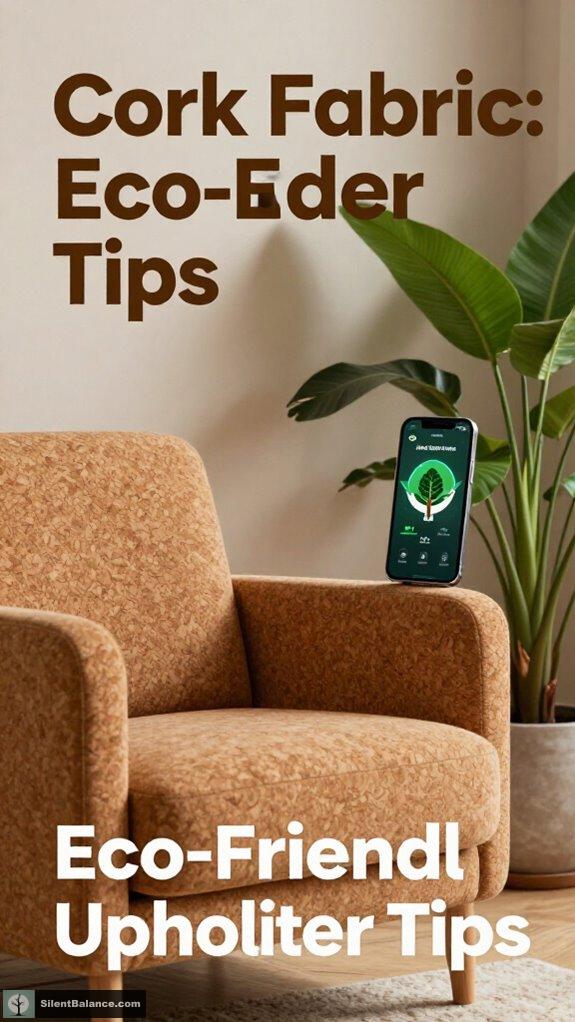
Why Your Couch Deserves a Tree Hug
Cork fabric isn’t just “natural” — it’s a *living* material, reborn every nine years from the same tree. And when you pick certified, toxin-free cork? You’re not just buying fabric. You’re adopting a philosophy. One that respects bark, carbon, and the quiet dignity of sustainable design.
The Real Feel of Forest Wisdom
I once reupholstered my grandmother’s worn armchair in 3mm cork — same style she used on her 1973 kitchen stools. (She swore by it after a trip to Portugal.) When my niece ran her fingers over it and said, “It feels like a tree gave its jacket,” I knew we’d nailed it. That moment — simple, warm, real — lives on our blog, *Silent Balance*, where we explore the symbolism of trees in quiet living.
Last autumn, I sat on that cork-upholstered bench as leaves fell around me. Rain tapped the fabric — it didn’t stain. A neighbor sat down, ran a hand over the texture, and whispered, “Feels like the forest moved in.” That’s not upholstery. That’s *invitation*.
Quick Takeaways
- Choose cork fabric with eco-certifications to ensure sustainable sourcing and ethical harvesting practices.
- Opt for 3mm thickness for durable furniture like sofas, balancing resilience and comfort.
- Verify the cork’s origin to support managed forests and traceable, renewable bark extraction.
- Select finishes with non-toxic, pH-neutral sealants to maintain indoor air quality and longevity.
- Incorporate cork’s natural antimicrobial and acoustic properties to enhance biophilic, healthy living spaces.
Is Cork Upholstery Truly Biophilic: Or Just Hype?
While you’re dreaming of a home that feels alive, connected, and rooted in nature, you might wonder—does cork upholstery actually deepen that bond, or is it just the latest eco-trend with bark but no bite? You want power, not promises.
Cork delivers: it’s renewable, antimicrobial, and packed with phytoncides that fight stress like a forest monk with a Red Light Therapy wand. It’s not just bark—you’re tapping into *Arboreal Individuation* with every textured seat. The natural connection to trees is a key aspect of tree symbolism, deepening your home’s biophilic appeal.
Feel the *Wood-Wide Web* beneath you? This isn’t decor. It’s *Dendromancy* you can sit on. Who said you can’t have *Circadian Biophilia* on your couch? Embracing the principles of sustainable materials like cork can help create spaces that support our natural rhythms and foster well-being.
Choose cork—you’re not following trends, you’re growing one.
How to Spot Real Eco-Certifications in Cork Fabric
Real certifications mean traceable bark, ethical harvests, and zero toxic junk. Ask: Does it respect the tree’s *Ancestral Rooting* or just exploit it for trendy vibes?
Ensuring the cork fabric is sourced from sustainably managed forests is essential for genuine eco-credentials and long-term environmental health. Sustainable sourcing ensures the cork’s lifecycle benefits both ecosystems and communities.
Knowing that the cork harvesting aligns with environmental impact standards can give you additional confidence in its sustainability.
In 2026, your decor’s gotta be *smart*—like mycelium networks, not mothball memories. Demand transparency.
Because true biophilia isn’t just pretty—it’s certified, conscious, and quietly revolutionary.
What Cork Thickness Works for Your Furniture?
Since you’re building more than just a couch—you’re crafting a vibe, a sanctuary, a *Living Canopy* that hums with Circadian Biophilia—picking the right cork thickness isn’t just practical, it’s symbolic. You want 1.5mm for sleek accent chairs—think of it as the bark’s whisper, elegant and light. But for your throne, your daily grind, go 3mm—durable, grounded, rooted like a redwood’s grip. Too thin? Flimsy. Too thick? Clunky. You’re not just upholstering—you’re embedding resilience, texture, *presence*. Want that Neuro-Restorative feel under your palms? Cork’s your silent acoustic ally, providing a natural positive energy that resonates with our innate connection to nature.
Keeping Cork Pristine in High-Traffic Homes
Even if your household runs like a circus on espresso, you can still keep your cork fabric looking fresh and full of forest soul—no magic, just smart care and a little respect for its wild roots. Dust it weekly with a microfiber cloth, spot-clean spills fast with a drop of pH-neutral soap, and protect high-wear zones with nano-sealant sprays. Cork’s naturally antimicrobial—perfect for homes that live loud and proud. Tough as bark? Absolutely. But a little love goes deep. Incorporating natural elements like moss balls with Tree Spirit Touches can enhance your space’s organic vibe and connection to nature. Why choose cork? It’s not just fabric—it’s quiet rebellion, rooted resilience, and tree-powered elegance. Your decor shouldn’t whisper. It should roar with meaning.
Tree Symbolism
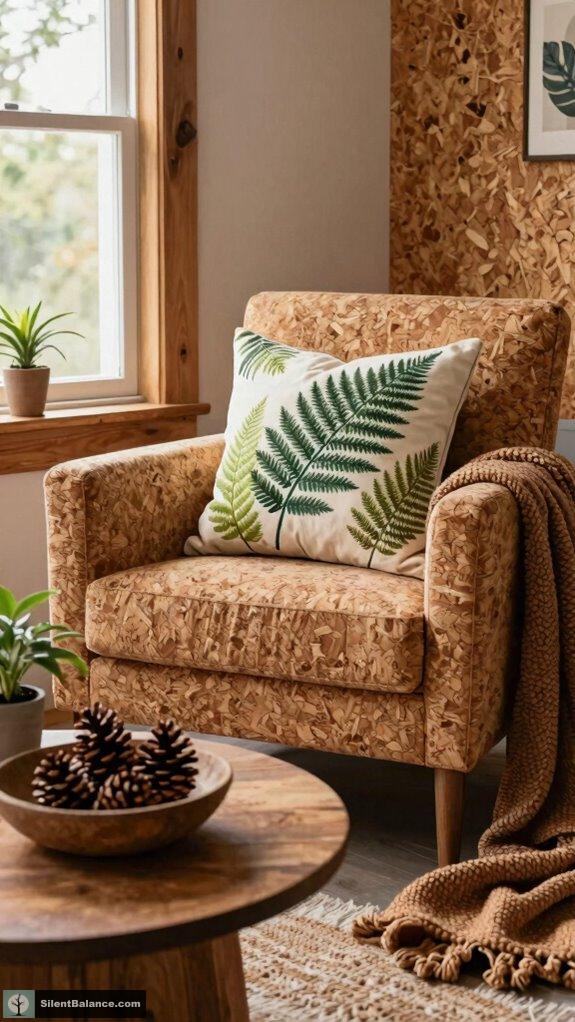
While you’re not out planting saplings in your living room, you’re still bringing the forest’s soul into your home—whether you realize it or not. You want power? Real power grows from roots, not wires.
So why not let your space whisper resilience, renewal, and deep ancestral grit? Think beyond decor—choose pieces that *mean* something. A cork wall panel isn’t just eco-chic, it’s bark armor from a cork oak’s second life.
Pinecone motifs? That’s nature’s ancient code for endless comeback. Use reclaimed wood bowls, fractal branch lamps, or tree-of-life altars to command calm in a chaotic world. Recognizing interconnectedness with nature reminds us that we are part of a larger living system—just like roots supporting a tree’s survival.
Even trees demonstrate mycorrhizal communication, sharing resources and supporting each other beneath the surface—reminding us that cooperation fosters strength.
Who said wisdom can’t be stylish? Let your home grow wild with meaning—because true influence starts where the roots run deep.
Smart Tree Sensors
What if your houseplants could talk—and your furniture could *listen*? With smart tree sensors, they kinda do. You’re not just decorating, you’re commanding a mini ecosystem.
These tiny tech warriors monitor moisture, light, and air quality, syncing to your phone so your cork-upholstered throne stays in perfect harmony with your fiddle-leaf fig. Monitoring Sacred Plant Health is essential to understand their needs and keep them thriving. Incorporating sensors that track environmental conditions can significantly improve the health and longevity of your plants.
Think of it as arboreal espionage—your walls whisper secrets about humidity, and your coffee table roots (literally) for your fern’s survival.
Why care? Because power isn’t just controlling your smart lights—it’s knowing your *houseplants* are thriving under your rule.
You’re not just living with nature. You’re leading it. And yeah, your teak shelf’s judging your watering habits.
FAQ
Is Cork Fabric Resistant to Pet Scratches and Claws?
Yes, cork fabric resists pet scratches and claws better than most materials. It’s tough, self-healing, and holds up under daily wear—you’ll dominate durability expectations without sacrificing eco-power or sleek design in your high-performance space.
Can Cork Upholstery Be Repaired if Punctured or Torn?
Yes, you can repair punctured or torn cork upholstery—minor damage wipes away with a cork sealer pen, while deeper tears need patching. You’re not just fixing it; you’re restoring its resilience. As the old adage says: what’s worn can be wiser.
Does Cork Fabric Fade When Exposed to Direct Sunlight?
Yes, cork fabric can fade in direct sunlight over time. You’ll want to position it thoughtfully or use UV-protective coatings. It’s durable, but you’re smarter protecting it—because maintaining control means never letting nature outmaneuver your design.
Is Cork Safe for Homes With Children and Allergies?
You’re golden—cork’s naturally hypoallergenic and child-safe, a fortress against dust mites and mold. It’s nature’s armor, stylishly shielding your domain without sacrificing an ounce of power or elegance. Peace of mind’s built in.
How Does Cork Compare to Leather in Durability and Feel?
You’ll find cork tougher than leather over time—it resists scratches, UV damage, and stains without cracking. It feels warm, soft, and lightweight, not stiff or clammy, and you won’t sacrifice elegance for durability. It ages beautifully with zero harm to animals.
Summary
You’ve tapped into nature’s rhythm, haven’t you? Cork isn’t just fabric—it’s a heartbeat from the forest, a whisper of oak souls turned into style. Why decorate with dead plastic when you can upholster with living symbolism? Think: strength in cork’s tannin armor, renewal in every harvest. Pair it with smart sensors that monitor air like a tree ninja. Twigs, pinecones, bark patterns—layer them in. Decor isn’t just pretty—it’s prophetic. You’re not designing a room… you’re growing a vibe.

- 11 Best Luxury Sandalwood Candles for 2026 - June 19, 2026
- 11 Best Woven Wicker Gift Baskets for 2026 - June 19, 2026
- 11 Best High Powered Binoculars for 2026 - June 19, 2026
